

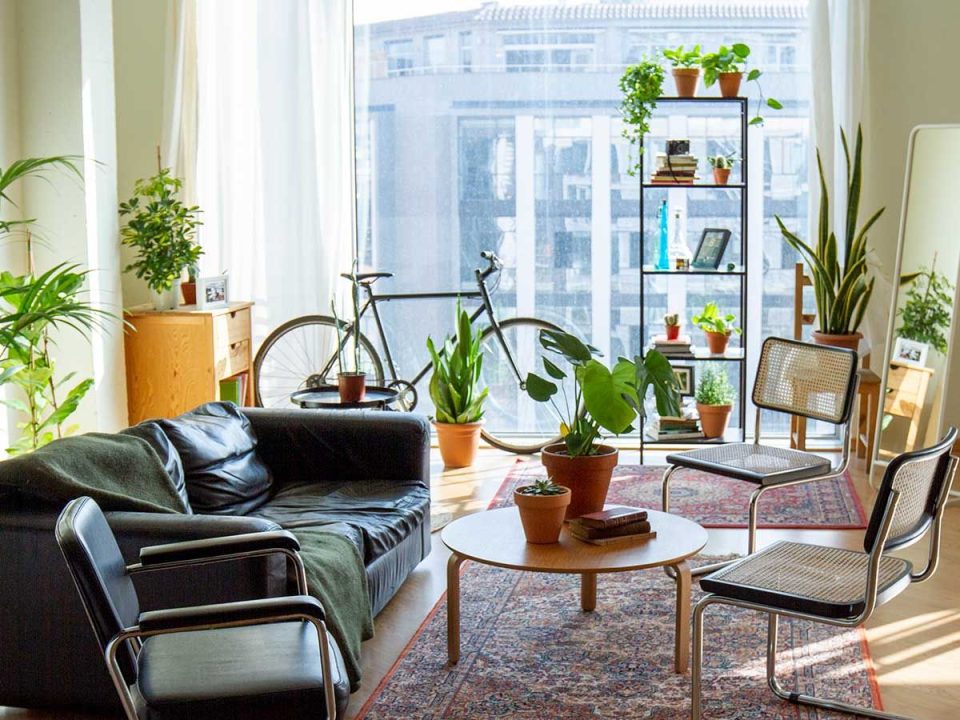
In a lickety-split, a drab patio can morph into a real outdoor haven that you would never have thought of with just a few changes in pots and planters. No need to break the bank or change the layout.
Most of the time, it’s all about the right containers and the right spots. Decorative pottery from Just Pots in Austin certainly works wonders in a garden, while planting on the ground simply can’t. It is the only way to give the garden a new look by adding structure where there is none, enlivening dull corners, and uniting a disorganized outdoor space into one that looks simply gorgeous. Here’s where to start.
Use Height to Break Up Flat Spaces
When everything in a garden sits at ground level, the space reads as one-dimensional. Tall planters change that fast. Anchor the corners of a patio with a pair of large upright pots, add some mid-height containers nearby, and suddenly the arrangement has depth and movement that wasn’t there before. Height variation is one of those design principles that sounds complicated until it’s applied – then it’s immediately obvious why it works.
Group Containers Rather Than Scattering Them
Single pots dotted around a garden rarely make an impact. Three or five containers clustered together – different heights, same general material or color family – create a focal point worth looking at. The eye lands somewhere specific instead of wandering without settling.
Numbers that are odd generally have a more natural tendency to cluster than even ones. The three pots of different sizes, all in one corner, will quite likely give off a vibe of being more purposeful than just two identical ones placed symmetrically.
Choose Materials That Fit The Character Of The Space
Terracotta is at home in a laid-back, informal garden. Concrete and natural stone are great for a sleek, contemporary outdoor space. Pottery, glazed in rich, deep hues of charcoal, dark green, and burnt orange, carries a certain heaviness visually that doesn’t require a lot of surrounding elements to support it.
The material sets the tone before any plant goes in. That helps to get that right, which makes all the other things fall into place because the containers and the planting are all working together instead of against each other. Mixing materials is not a problem, but if you want them to look better, you would usually need to have something linking them – the same type of finish, colors that go together, or the same sizes all over the group.
Let Containers Do the Seasonal Work
One genuine advantage of pottery over ground planting is flexibility. Seasons change, plants cycle out, and containers can shift around without disturbing the rest of the garden. The bones of the space stay intact while the details evolve.
A corner that holds ornamental grasses through summer can hold winter evergreens by November. A grouping near the entrance can be refreshed without replanting a single bed. That kind of low-effort flexibility is one reason serious gardeners rely heavily on containers rather than committing everything to the ground.
Don’t Overlook the Practical Side
Drainage, frost resistance, and wall thickness – these aren’t the exciting parts of choosing pottery, but they determine whether a planter lasts one season or ten. A beautiful pot that cracks after the first hard freeze is an expensive lesson. Choosing containers built for outdoor exposure from the start avoids that problem entirely.
For Austin homeowners ready to pull any of these ideas together, Just Pots in Austin carries pottery in the sizes, finishes, and materials that make these upgrades genuinely achievable – without hunting across multiple stores to find pieces that actually fit together.
